Recommended Reading

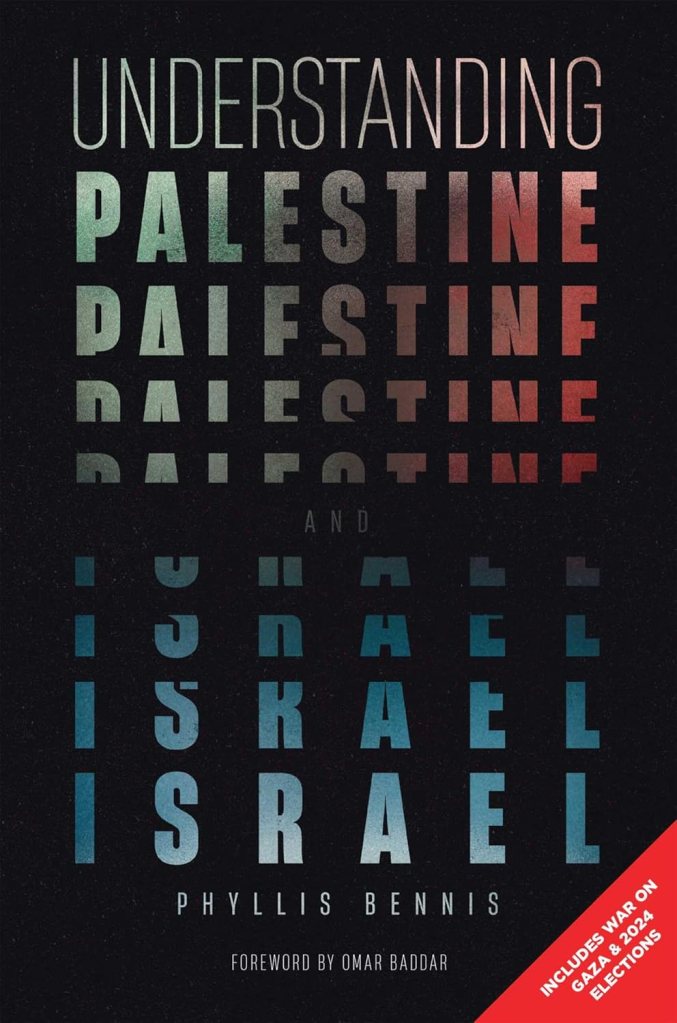
“People across the US watched in horror as Israel responded to the terrible acts of October 7, 2023 with a brutal war against the people of Gaza. They poured into the streets demanding Ceasefire Now—and protested the US government financing, arming, and protecting Israel’s war. A key question was when to start the clock—because none of those events actually began on October 7; all had their origins in events 17, or 58, or 77 years earlier.

In straightforward, accessible language Phyllis Bennis takes on that question—and many more—providing answers to the queries so many never before had the chance to ask. What is the Balfour Declaration? What are the Occupied Territories? What is Zionism—and do all Jews support it? Does Israel have the right of self-defense? What were conditions like in Gaza before October 7?
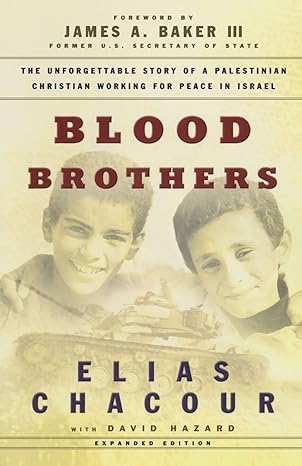
“As a child, Elias Chacour lived in a small Palestinian village in Galilee. The townspeople were proud of their ancient Christian heritage and lived at peace with their Jewish neighbors. But early in 1947, their idyllic lifestyle was swept away as tens of thousands of Palestinians were killed and nearly one million forced into refugee camps.
An exile in his native land, Elias began a years-long struggle with his love for the Jewish people and the world’s misunderstanding of his own people, the Palestinians. How was he to respond? He found his answer in the simple, haunting words of the Man of Galilee: “Blessed are the peacemakers.””
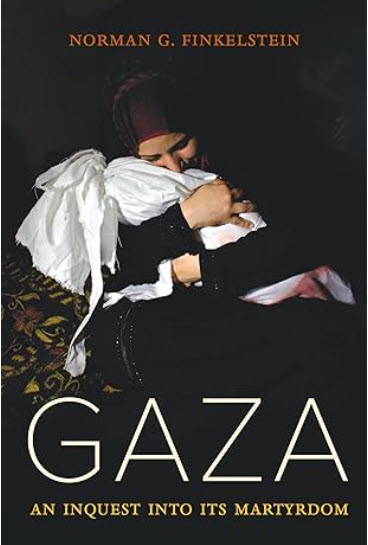
“The Gaza Strip is among the most densely populated places in the world. More than two-thirds of its inhabitants are refugees, and more than half are under eighteen years of age. Since 2004, Israel has launched eight devastating “operations” against Gaza’s largely defenseless population. Thousands have perished, and tens of thousands have been left homeless. In the meantime, Israel has subjected Gaza to a merciless illegal blockade.”
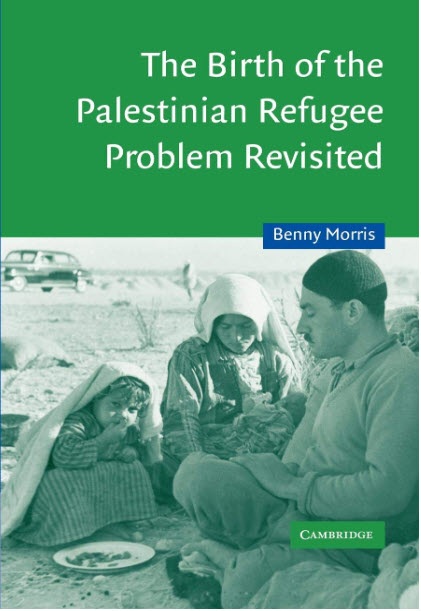
“Morris’ earlier work exposed the realities of how 700,000 Palestinians became refugees during the 1948 Arab-Israeli war. While the focus of this edition remains the war and exodus, new archival material considers what happened in Jerusalem, Jaffa and Haifa, and how these events led to the collapse of urban Palestine. Revealing battles and atrocities that contributed to the disintegration of rural communities, the story is harrowing. The refugees now number four million and their cause remains a major obstacle to regional peace. “
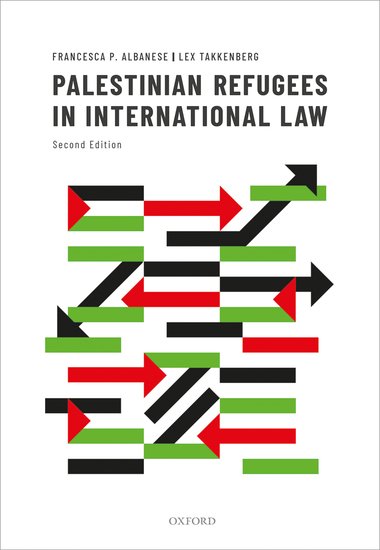
“A key reference text for anyone desiring a better understanding of the Palestinian refugee question and its resolution.
Offers a clear and comprehensive analysis of various areas of international law and their relevance to the provision of international protection for Palestinian refugees, including current interpretations of Article 1D of the 1951 Refugee Convention relating to the Status of Refugees, and the various definitions of Palestinian refugees
Provides an authoritative account of the subject, including on the role of the United Nations Relief and Works Agency for Palestine Refugees (UNRWA) and the United Nations Refugee Agency (UNHCR) vis-à-vis Palestinian refugees.”
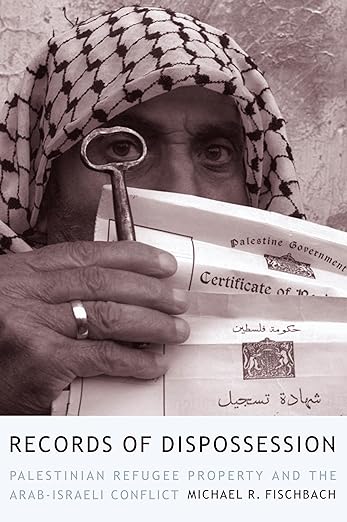
“No issue in the Arab-Israeli conflict has proven more intractable than the status of the Palestinian refugees. This work focuses on the controversial question of the property left behind by the refugees during the first Arab-Israeli war in 1948. Beyond discussing the extent of the refugees’ losses and detailing the methods by which Israel expropriated this property, the book also notes the ways that the property question has affected, and in turn been affected by, the wider Arab-Israeli conflict over the decades. It shows how the property question influenced Arab-Israeli diplomacy and discusses the implications of the fact that the question remains unresolved despite numerous diplomatic efforts.”
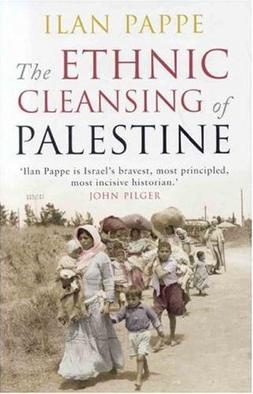
The Ethnic Cleansing of Palestine decisively debunks the myth that the Palestinian population left of their own accord. Ilan Pappe offers impressive archival evidence to demonstrate that, from its very inception, a central plank in Israel’s founding ideology was the forcible removal of the indigenous population.”
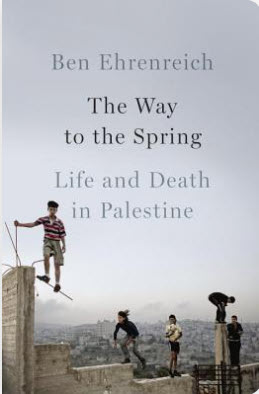
The Way to the Spring is a story about a great act of bravery, empathy and understanding. By placing us in the footsteps of ordinary Palestinians and telling their story with surpassing literary power and grace, Ben Ehrenreich makes it impossible for us to turn away.”
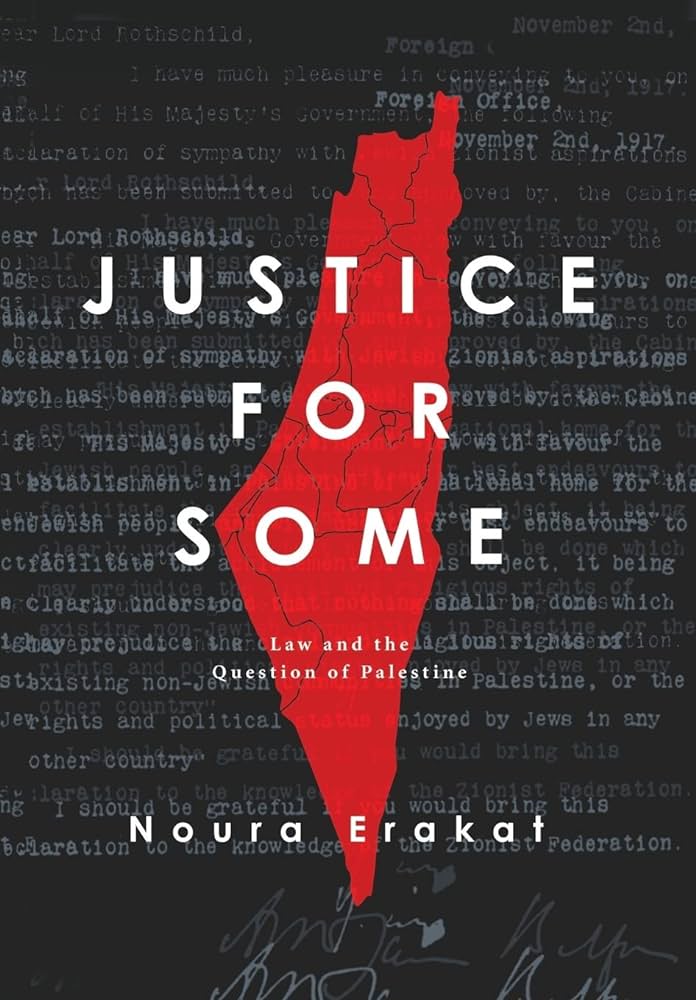
Justice for Some: Law and the Question of Palestine offers a new approach to understanding the Palestinian struggle for freedom, told through the power and control of international law. International law can serve the cause of freedom when it is mobilized in support of a political movement. Presenting the promise and risk of international law, Justice for Some calls for renewed action and attention to the Question of Palestine.”
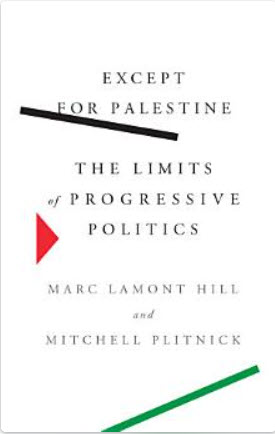
Except for Palestine is a major work of daring criticism and analysis. Scholar and political commentator, Marc Lamont Hill, and Israel-Palestine expert, Mitchell Plitnick, spotlight how one-sided pro-Israel policies reflect the truth-bending grip of authoritarianism on both Israel and the United States.”
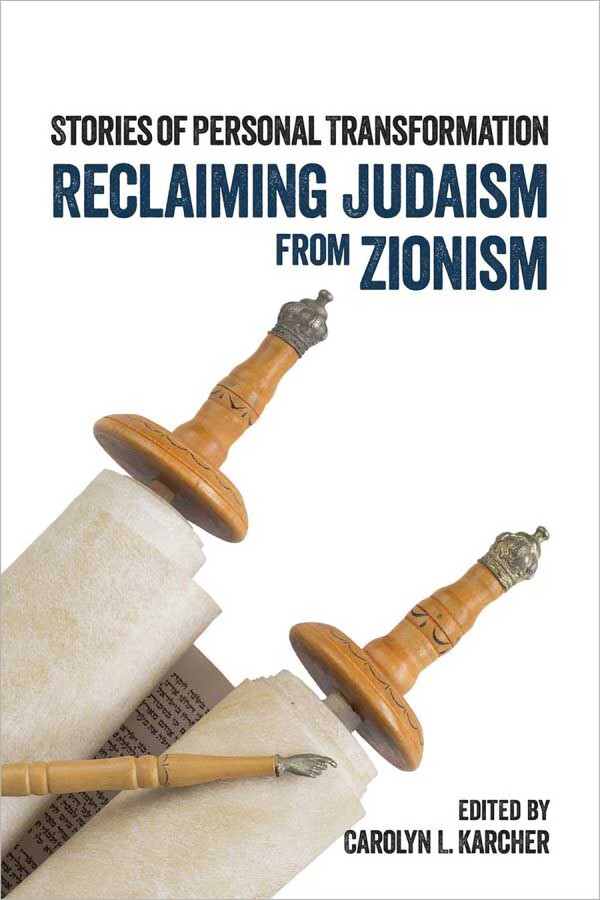
Reclaiming Judaism from Zionism is a powerful collection of personal narratives, thirty-nine Jews of diverse backgrounds tell a wide range of stories about the roads they have traveled from a Zionist world view to activism in solidarity with Palestinians and Israelis striving to build an inclusive society founded on justice, equality, and peaceful coexistence.”
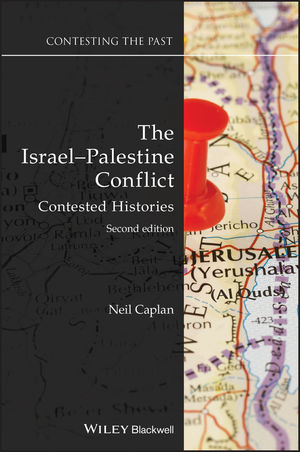
The Israel-Palestine Conflict introduces the historical basis of the dispute and explores both the tangible issues and intangible factors that have blocked a peaceful resolution. Author Neil Caplan helps readers understand the complexities and contradictions of the conflict and why the histories of Palestine and Israel are so fiercely contested.”
The Universal Declaration of Human Rights was drafted by representatives with different legal and cultural backgrounds from all regions of the world [chaired by Eleanor Roosevelt]. The Declaration was proclaimed by the United Nations in1948. It set out, for the first time, fundamental human rights to be universally protected. It was [intended] to be a common standard of achievements for all peoples and all nations.”
Apartheid-Israel has violated human rights set forth in this international declaration since 1967, yet the United States of America have vetoed every United Nations agenda item that has addressed this violation. Can we change that record?